Most car care advice is written for climates Matthews does not have. Snow belt salt calendars and desert dust calendars both miss the actual enemies here: a pollen season that turns every car yellow green for weeks, summer thunderstorms that spot paint and bake it, and winters mild enough that people skip maintenance entirely. A detailing calendar built for the Piedmont looks different, and it is simpler than most owners fear.
The Matthews year, season by season
- March to May, pollen season: rinse the car often, never wipe pollen off dry, and keep a sealant or coating active so pollen releases instead of baking on.
- June to August, heat and storms: dry the car after summer rain, watch for hard water and acid rain spotting, and clean the interior before heat sets in odors.
- September to October, fall: clear leaves and sap promptly, since both stain clear coat, and renew paint protection before winter.
- November to February, mild winter: wash road film off after trips, even without snow, and condition leather before dry heated air cracks it.
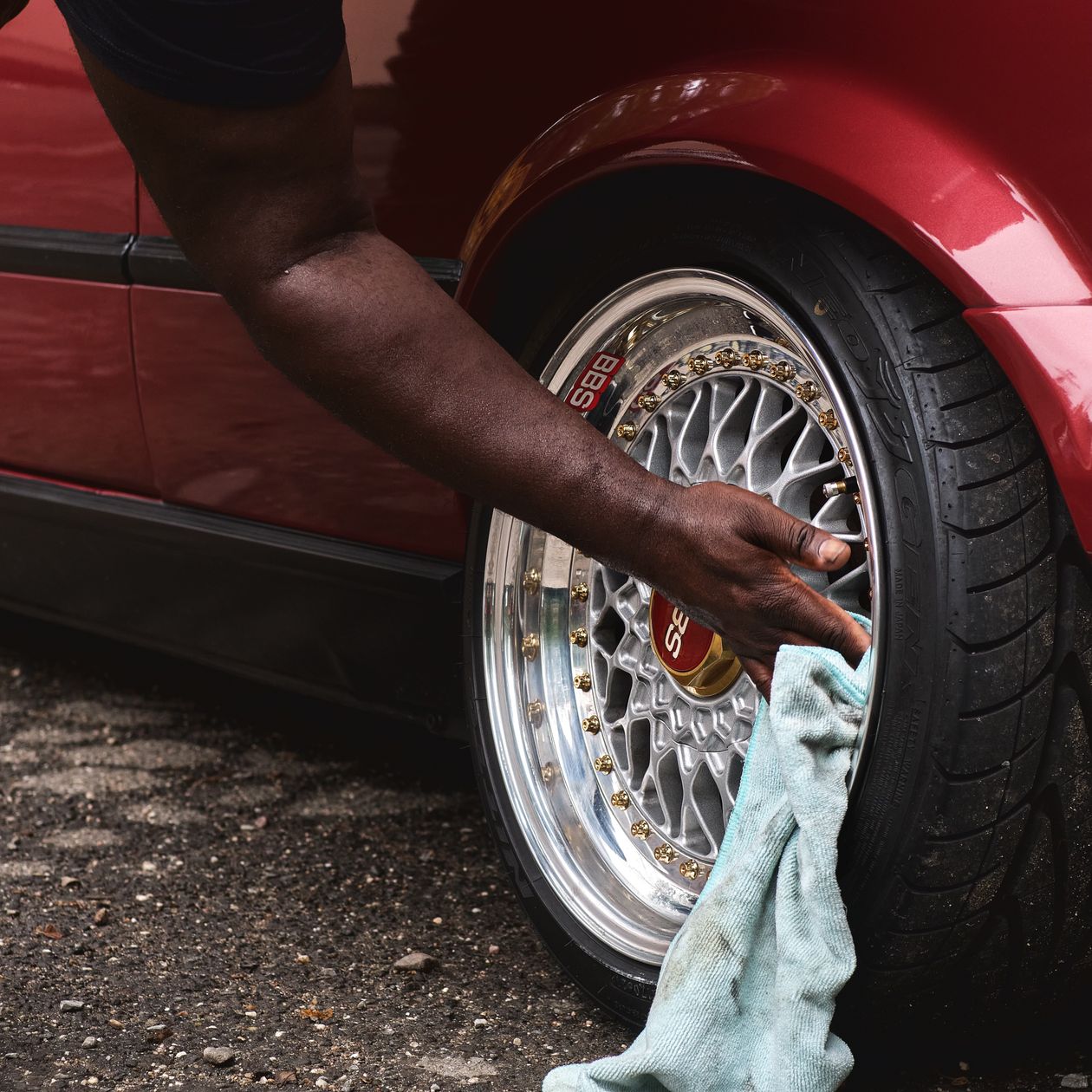
- Year round: hand wash with the two bucket method, clean wheels separately from paint, and inspect headlights for clouding every six months.
Pollen deserves its own warning
Pine and oak pollen is the defining car care event of a North Carolina spring. It is abrasive at a microscopic level, so the instinct to swipe it off a dry hood with a hand or a dry towel is exactly wrong: that is how fine scratches get made. Rinse first, always. Pollen also holds moisture against the paint and, left through a few rain cycles, can spot a surface that has no protection on it. Cars kept sealed or coated through March, April, and May come out of pollen season needing a wash. Unprotected cars sometimes come out needing a polish.
What does not need a season
Interior care runs on use, not weather, with two exceptions. Summer heat cooks spills and pet odors into upholstery, so interior cleaning before the worst heat is worth more than after it. And leather dries out under winter heating and summer sun alike, so conditioning twice a year, spring and fall, is the rhythm that keeps it from cracking.
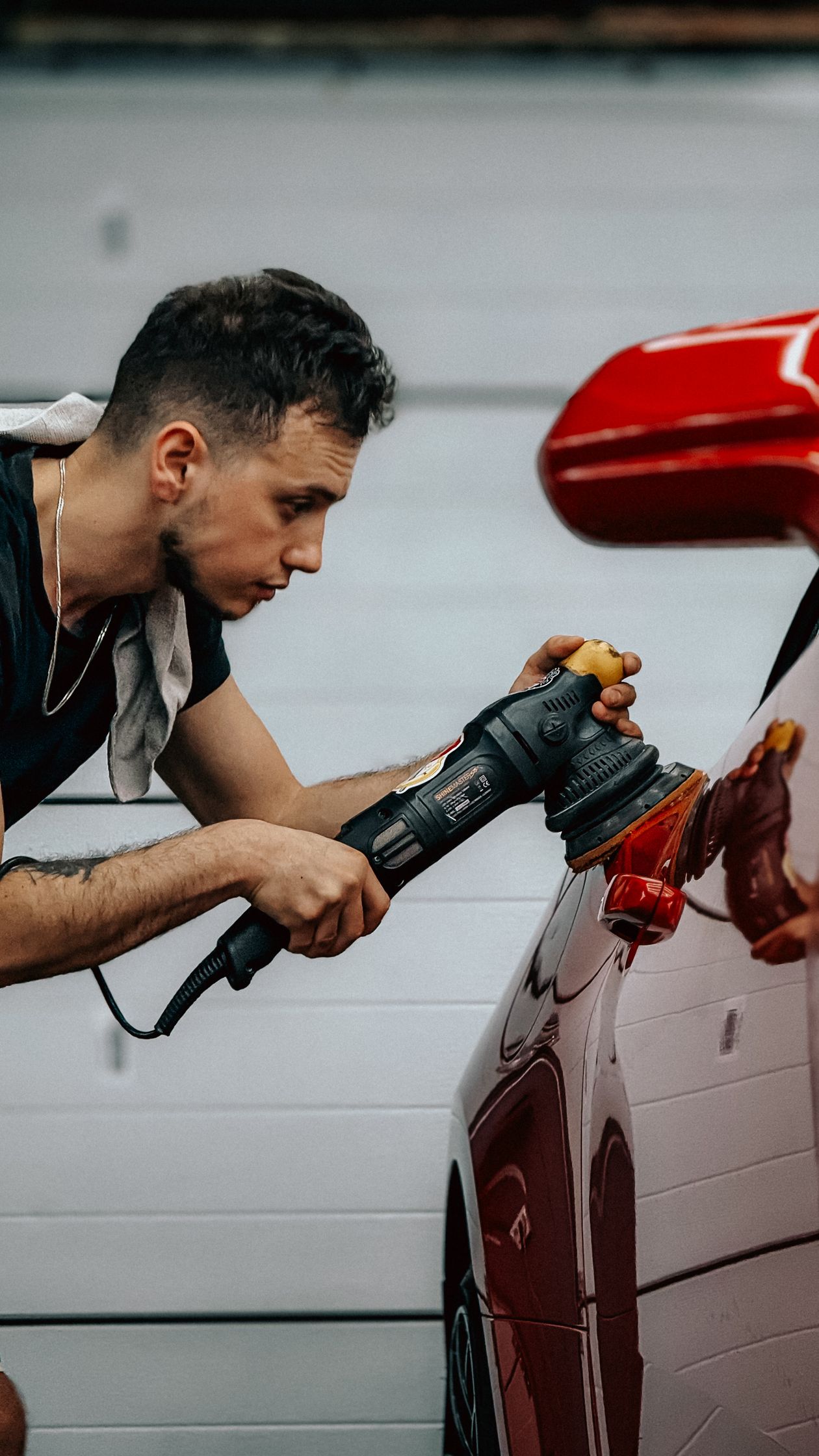
The calendar's real value is that it replaces guilt with timing. You do not need to detail constantly. You need a wash rhythm that respects pollen, protection renewed before the seasons that test it, and one honest inspection a year under good light. Do those and the car ages slowly, in Matthews or anywhere in the Piedmont.
The two inspections that hold the calendar together
Twice a year, spring and fall, give the car a deliberate once over in good light, because the calendar works only if someone checks what the seasons did. In spring, after pollen peaks, look for spotting on horizontal surfaces, check that water still beads or sheets off the paint the way it did when protection was fresh, and inspect the windshield and headlights for film and clouding. In fall, before the protection renewal, look for sap and leaf stains, feel the paint for bonded grit with a clean hand after a wash, and check door jambs and the trunk lip where grime collects unnoticed.
Five minutes with a flashlight at dusk tells you the interior story too: dust in the vents, a spill hardening in the carpet, leather going dry and shiny at the driver's bolster. Every problem on this list is cheap in the month it appears and expensive a year later. The calendar is not really about detailing. It is about catching small things at small prices, twice a year, on purpose.
A word on garages and car covers, since Matthews has both in abundance. A garaged car skips the worst of pollen and storm spotting but collects dust that tempts dry wiping, which is still a scratch risk. Covers help outdoors and hurt when they go on over a dirty car, trapping grit against the paint in the wind. Wash before covering, or skip the cover. The calendar's spirit is that protection only works when it is clean protection.
Common questions
What is the most damaging season for paint in North Carolina?
Spring, because of pollen. It is abrasive when wiped dry and can spot unprotected paint. Summer storms and sun run a close second.
How often should leather be conditioned?
About twice a year for a daily driven car in the Piedmont, typically spring and fall, before summer sun and winter heated air do their drying.
Do I need winter washes if it rarely snows?
Yes, though less urgently than up north. Road film and grime still build up, and washing keeps it from sitting on the paint for months.
Photos in this guide are representative stock images.
← All guides from Doctor Detail of Matthews← Back to Doctor Detail of Matthews